The Middle East's largely unknown religious diversity
Summary: Most Western travelers picture the Middle East as uniformly Muslim, yet the region is home to some of the oldest Christian communities on earth and to other faith communities like the Druze and Alawites that few visitors have ever heard of. From Lebanon's famously diverse polity and Syria's ancient villages that still speak the language of Jesus to Egypt's openly celebrated Coptic Christian holidays and government-funded synagogue restorations, the region's religious map is far richer than the headlines suggest.
Ask most Western travelers to picture the religious life of the Middle East, and they will almost surely describe a region that is uniformly Muslim. Lebanon, with its famously complex sectarian politics, is the one exception most people can name. But many visitors don't discover until they visit the Middle East for the first time that the region is actually home to some of the oldest continuously practicing Christian communities on earth, which continue to live in Muslim-majority countries.
Lebanon: The case everyone knows
Lebanon is the familiar example for good reason. The country officially recognizes 18 religious communities, and its public life and even its government have long been organized around that diversity. By long-standing convention, Lebanon’s presidency must be held by a Maronite Christian, the prime minister should be a Sunni Muslim, and the speaker of parliament a Shia Muslim. Beyond these majority communities, Lebanon also holds significant populations of Druze, Alawites, Greek Orthodox, and even a small population of Lebanese Jews.
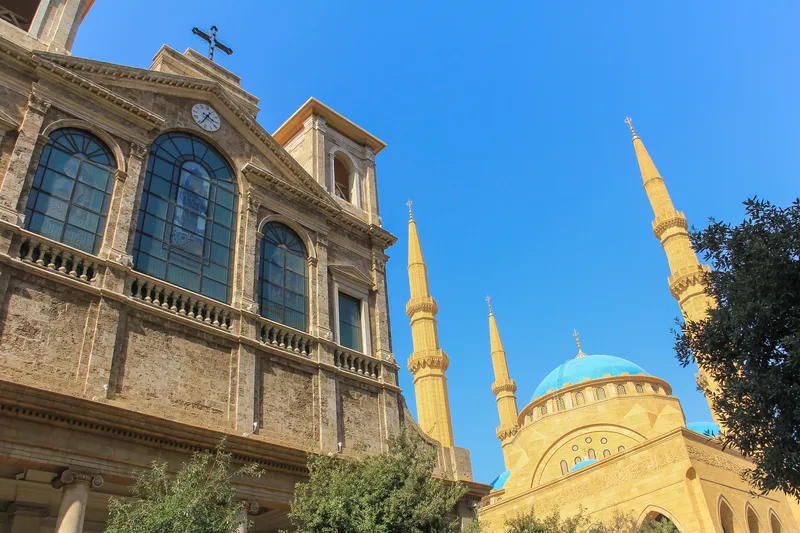
Both the steeples of churches and the minarets of mosques share the skyline of Beirut, and interfaith coexistence has become a hallmark of Lebanese society. And while the unique case of Lebanon’s diverse polity is rather well known internationally, two of its regional neighbors are just as remarkable in this respect, but far less known and appreciated for their own significant diversity.
Syria: Among the oldest Christian communities on earth
Christianity in Syria is not an import or a remnant of colonial missionaries. Instead, it is one of the original hosts of Christianity, and the sizable Christian communities of Syria today are among the oldest in the world.
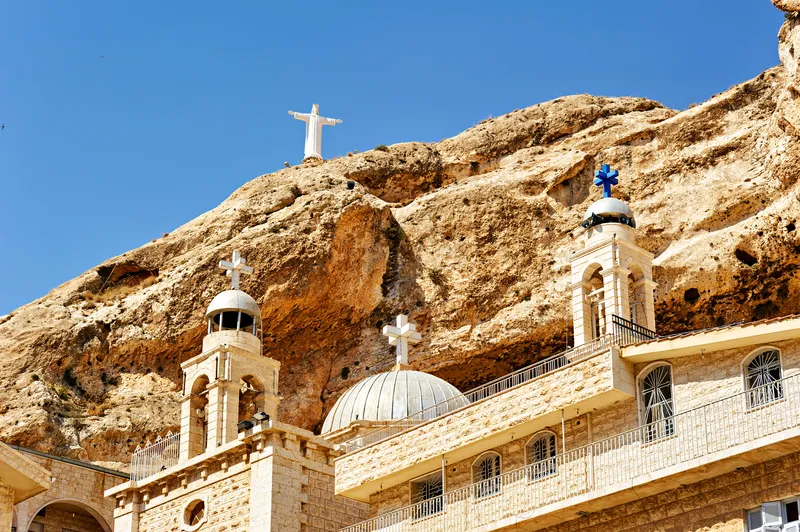
Most Syrian Christians belong to Eastern denominations that have existed in the area since the earliest days of the faith, and historically they have made up as much as 10% of the population. Yet those communities are remarkably varied. Syria is home to Greek Orthodox, Syriac, Armenian, and Catholic Christians, among others. In the town of Maaloula, only an hour north of Damascus, and in several other villages throughout Syria, local inhabitants still speak the same ancient language that Jesus spoke - Aramaic.
Syria's majority Muslim population is also far more diverse than most visitors realize. Alawites, who make up an estimated 10% to 15% of the population and live mainly along Syria's Mediterranean coast, belong to a branch of Shia Islam whose beliefs also incorporate elements of Christianity and Zoroastrianism. Alawite theology features a version of a divine trinity as well as multiple cycles of reincarnation. Many Alawites do not practice common Islamic rituals, such as praying five times a day or publicly worshiping in a mosque, nor do they traditionally fast during the month of Ramadan.
The Druze, about 3% of Syrians and concentrated in the south of the country, began as an offshoot of Ismaili Shia Islam a thousand years ago but have developed into a distinct, closed faith today. They do not accept or seek converts and do not follow the Five Pillars of Islam. They are legally considered Muslims in both Syria and Lebanon, although many Druze do not consider themselves Muslim at all because of the different practices and customs that have developed over the thousand years since their split.
Egypt: A Muslim-majority country that celebrates its Christians
If Syria is the region's most diverse country, Egypt is where that diversity is most visibly celebrated, and it surprises visitors more than anywhere else. Egypt is home to the largest Christian community in the Middle East, which makes up roughly 10-15% of Egypt’s total population, depending on whom you ask.
Most Egyptian Christians belong to the Coptic Orthodox Church, which traces its founding to the apostle Mark in the first century, meaning there were Christians worshipping in Egypt while the New Testament was still being written.
Coptic Christmas, which is celebrated on January 7, and Easter, which is often but not always different from the Western world’s dates, have become fixtures of Egypt's official calendar. Every year since 2015, President Abdel Fattah El-Sisi has attended the Coptic Christmas service alongside Pope Tawadros II, head of the Coptic Orthodox Church, a visit carried live on national television. In 2019, the two inaugurated the Cathedral of the Nativity of Christ in Egypt's New Administrative Capital, now the largest cathedral in the Middle East.
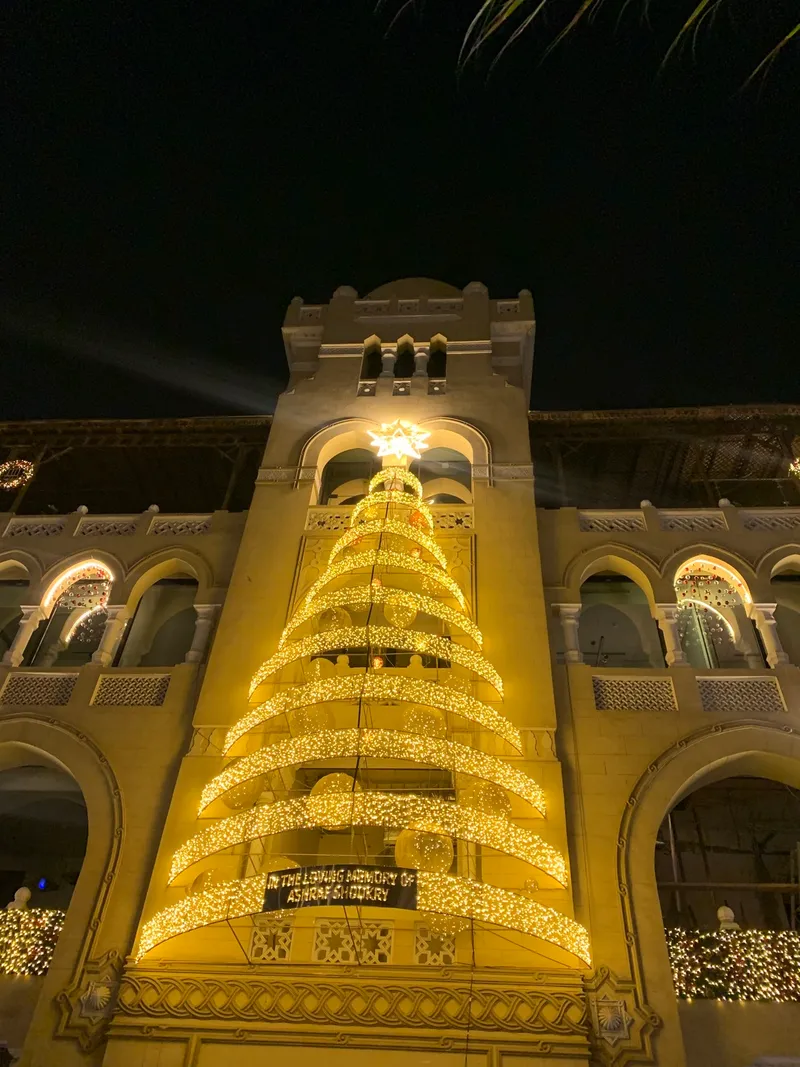
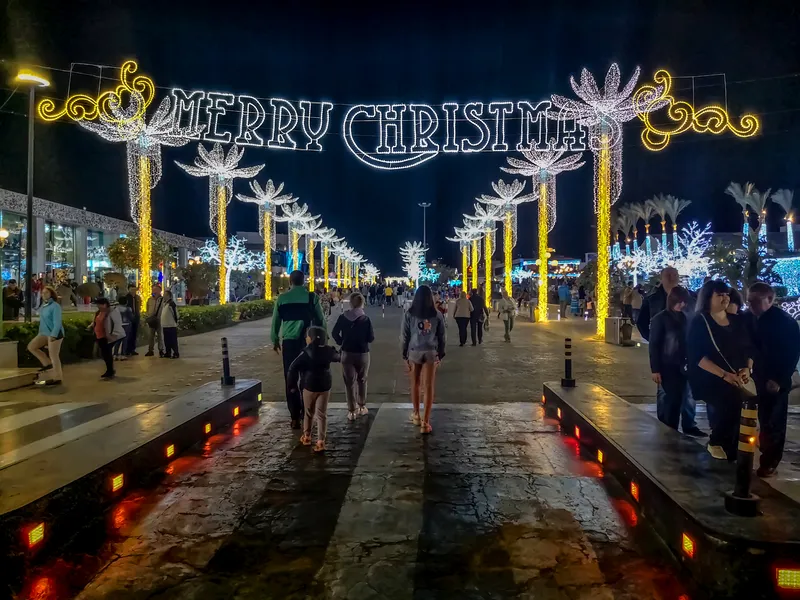
In the lead-up to Christian holidays in Egypt, large businesses such as hotels and shopping malls festively decorate. It’s not uncommon at all to see Christmas trees, colorful lights, and decorations all over Egypt’s major cities, and even in smaller towns and villages across the country. Coptic Christmas is even a paid national public holiday for everyone in Egypt whether they are Christian or Muslim, and Christians get an additional paid day off for the Coptic Easter.
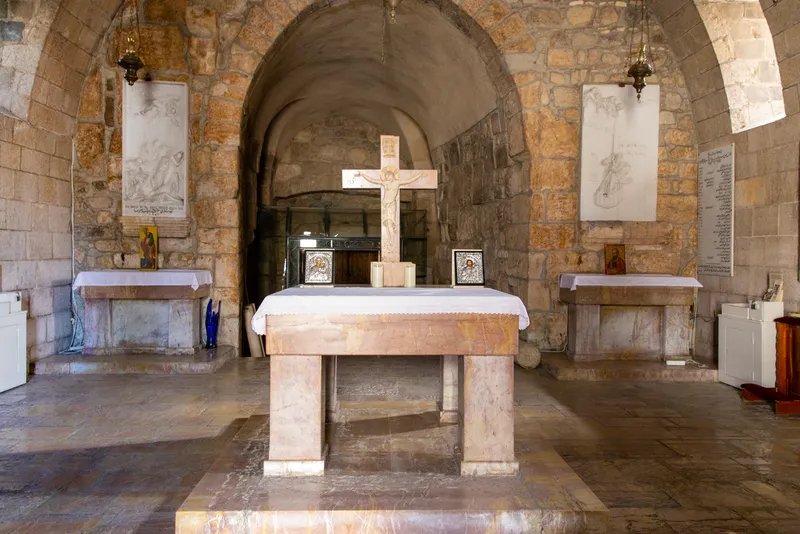
The government has invested in the country's Christian heritage as a tourist attraction in its own right. Since 2014, Egypt's Ministry of Tourism and Antiquities has been restoring and developing the 25 sites along the Holy Family Trail, the route that Coptic tradition says Joseph, Mary, and the infant Jesus followed during their flight into Egypt. One of the most important of these sites, the Church of Abu Serga in Old Cairo, is said to stand over a cave where the family took shelter.
That same small district of Old Cairo also holds the historic Ben Ezra Synagogue, which reopened in 2023 after extensive renovations. In Alexandria, the government funded a three-year, $4 million restoration of the Eliyahu Hanavi Synagogue, which was rebuilt in the 1850s on the site of a 14th-century predecessor and reopened in January 2020. Although most native Egyptian Jews were forced to flee Egypt during the mid-20th century, the Egyptian government hopes that reviving these historic Jewish sites will signal to the world that all are welcome in modern Egypt.
A richer map than travelers expect
None of this fits neatly into the image of the Middle East that most Western travelers bring with them. But the region's religious map is older, richer, and far more varied than headlines suggest. Travelers who are open to witnessing first-hand the true diversity of the Middle East will find some of the oldest Christian communities in the world, faiths they have never heard of before, and, especially in Egypt, a Muslim-majority society that openly celebrates its Christian neighbors. And as more visitors discover that heritage for themselves, we should expect it to become an ever larger part of why they come.